
How to Verify Developer Credibility Before Buying an Apartment
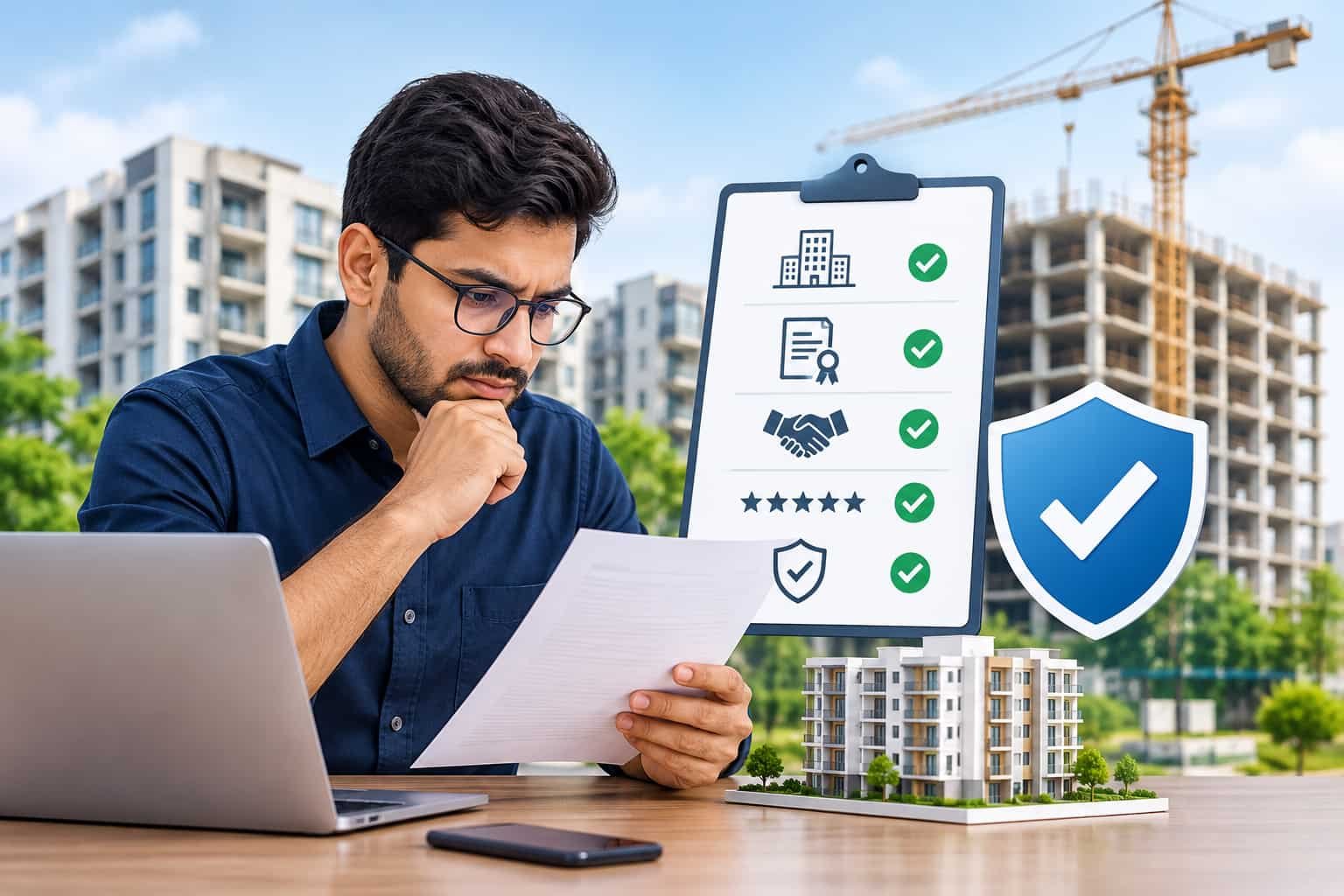
Choosing the right developer to buy your apartment from is arguably more important than choosing the apartment itself. As the real estate market gets more crowded, knowing how to verify credibility before committing to a purchase is one of the most valuable things any buyer can do, and working with a trusted real estate company in Bangladesh that welcomes that scrutiny is the clearest sign you are dealing with the right one.
The Gap Between What Developers Promise and What They Deliver
When purchasing an off-the-plan property, marketing materials are designed to sell an aspirational lifestyle vision. However, without proper due diligence, buyers can quickly discover a significant discrepancy between what was presented in the display suite and what is actually delivered on settlement day. Understanding where these gaps typically occur is the first step in protecting your investment.
- Marketing vs. Reality: Developers often showcase 3D renderings, high-end appliance brand names, and lush landscaped gardens that rarely match the final built asset.
- Timeline Overruns: Promised completion dates are frequently missed, leaving buyers facing unexpected rental extensions, mortgage interest overlaps, and delayed moving schedules.
- Specification Downgrades: Premium materials shown in the sales suite (such as imported stone benchtops or engineered timber flooring) are occasionally substituted with cheaper, lower-quality alternatives during construction to cut costs.
- Hidden Costs and Levies: Final settlement figures can include unexpected adjustments, or maintenance levies, and utility connection fees that were omitted from initial projections.
- Defect Resolution Friction: Post-handover maintenance periods often highlight poor workmanship, yet getting developers to return and rectify building defects can turn into a frustrating battle.
To gain a clearer perspective on how to evaluate building quality and compare initial plans against final deliverables, industry insights like Apartments.com.au’s off-the-plan buyer guide highlight practical checks for verifying finishes and architectural specifications before signing.
How to Verify Developer Credibility Before Buying an Apartment
Purchasing an apartment, especially off-the-plan, is one of the most significant financial commitments you will ever make. While location, layout, and pricing dominate most property searches, evaluating the entity behind the construction is what truly protects your investment.
1. Evaluate Past Project Track Record and Delivery History
Take the time to physically visit older buildings completed by the developer. Walking through a site built five or ten years ago will show you how well their work holds up, from the quality of the paint and elevator maintenance to structural care. It is also smart to check whether their past projects were delivered on schedule or if buyers faced long, frustrating delays.
2. Investigate Legal Authorization, Approvals, and Memberships
Before paying any booking fee, make sure the project has official approval from local authority bodies such as RAJUK. Having approved building plans ensures the structure meets local safety and urban planning rules. Also, verify that the developer is an active member of local real estate associations such as REHAB (Real Estate and Housing Association of Bangladesh), as membership shows they follow recognized industry standards and ethical practices.
3. Assess Financial Stability and Professional Partnerships
Look into how the project is being funded and who else is involved. Reputable developers often partner with solid banks or financial institutions, which conduct their own background checks before backing a construction project. It is equally important to look into the background of the main builder and architect, as well as ensure the developer has a steady track record without a history of abandoned sites or money troubles.
4. Review The Land Title and Ownership Documents
Always check that the developer has a clear and legal right to the land. You should verify that the land title is clean, updated, and completely free from disputes, unpaid mortgages, or court cases. If the developer is building on land owned by someone else, make sure there is a registered joint-venture agreement and a legal Power of Attorney that gives the developer full authority to construct and sell apartments on that plot.
5. Gather Feedback from Previous Buyers
Talking directly to people who already live in the developer’s previous projects will give you honest insights. Ask current residents if the developer delivered what was promised and how quickly they fixed any construction defects after handover. Checking online community forums can also help you spot any recurring complaints about unexpected fees or unfulfilled promises.
Taking these simple steps to double-check developer approvals, land documents, and past work before signing any agreement is the best way to avoid costly surprises and protect your home investment.
What Are The Red Flags to Watch Out For Before Signing?
While verifying approvals and track records is essential, knowing what warning signs to look for during initial discussions can save you from a bad investment early on. Being aware of common industry red flags allows you to spot potential issues before signing any binding agreements or transferring money.
- Vague completion timelines: Developers who refuse to put strict handover dates or clear delay compensation clauses in the written agreement.
- Missing or delayed paperwork: Excuses or hesitation when you ask to inspect original land titles, mutation documents, or RAJUK approval copies.
- Unusually low pricing: Unrealistic discounts that seem too good to be true, which often signal financial distress or plans to cut corners on build quality.
- High-pressure sales tactics: Agents pushing for immediate cash bookings or claiming prices will rise tomorrow before you can conduct proper legal checks.
Trusting your instincts when these warning signs appear, and insisting on total transparency before paying any deposit, will protect your hard-earned money and give you complete peace of mind.
Final Thoughts
Buying an apartment is a milestone moment, but the journey to homeownership should be guided by careful research rather than emotion. While flashy sales suites and polished renderings make it easy to fall in love with a project’s potential, verifying developer credibility, checking approvals, and ensuring land titles are clear will protect your hard-earned savings.
FAQs
- Why is developer credibility important when buying an apartment?
Verifying developer credibility protects your investment by ensuring the builder has the financial stability, legal authorization, and operational experience needed to deliver your apartment on time and according to agreed standards.
- What is REHAB, and why should the developer be a member?
Request certified copies of the official land title, joint-venture agreement, and RAJUK-approved building plans. Have an independent property lawyer review these documents before making any advance payment.
- Why is RAJUK approval critical before purchasing an apartment?
RAJUK approval confirms that the architectural plan complies with local safety, structural, and urban planning codes. Buying an unapproved unit risks legal disputes, penalties, or potential building demolition orders.
- What legal documents prove clear land ownership?
Ensure the developer provides clear original land title deeds, updated mutation records, non-encumbrance certificates, and a registered Power of Attorney if they are building under a landowner joint venture.
- What red flags should I watch for before signing a contract?
Beware of developers who push for quick cash bookings, lack RAJUK plan approvals, offer prices far below market value, or refuse to include delay compensation clauses.
- How can I assess if a developer is financially stable?
Check if major banks or financial institutions support the project. Reputable lenders perform institutional due diligence on developer solvency before extending construction loans or escrow services.
