
Why Your Child’s Bookshelf Needs a Reality Check: The True Power of Diverse Literature
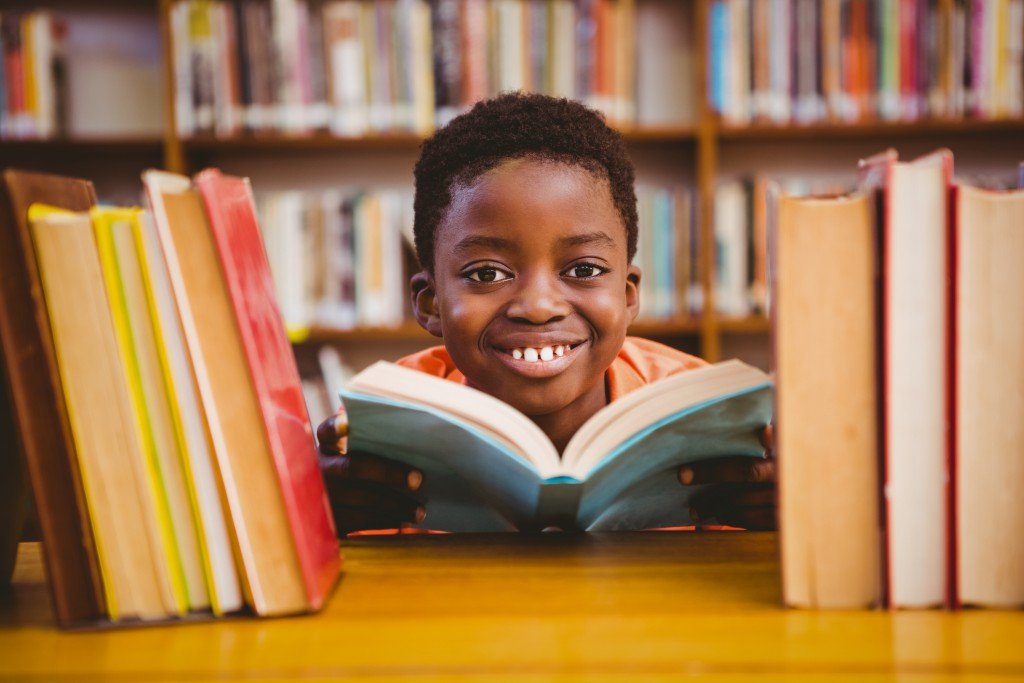
I’ve walked into too many classrooms and nurseries where the bookshelf looks like a time capsule from 1950. You see the same bears, the same trains, and the same demographic of children doing the same things. It’s comfortable. It’s nostalgic. But it is failing our kids.
When we talk about diversity in children’s literature, the conversation usually gets stuck in the “feel-good” zone. People think it’s a nice thing to do, a way to be polite. That misses the point entirely. Representation isn’t a bonus feature you add on later; it is the foundation of a child’s understanding of the world.
I have spent years analyzing how narratives shape young minds. The data is clear: children notice race and difference as early as three years old. If their library doesn’t reflect the real world, they unknowingly internalize that only certain people matter. That is where creators like Bahreldin Adam and platforms like Bahrku step in. They aren’t just publishing stories; they are correcting a massive imbalance in the publishing industry.
The “Checklist Diversity” Trap
Most generic advice you’ll find online tells you to just “buy more multicultural books.” That is lazy advice. It leads to what I call “Checklist Diversity.”
This happens when a parent buys one book about Martin Luther King Jr. for February, puts it on the shelf, and thinks the job is done. That isn’t inclusion; that’s tokenism. I see this constantly in school curriculums. They sequester diverse stories into specific months or holidays.
Why this approach fails:
- It creates “Othering”: It teaches kids that white characters are the default setting for “normal” life, while Black, Asian, or Hispanic characters are “special topics” to be studied.
- It focuses on struggle: Too often, the few diverse books on the shelf are only about slavery, civil rights, or poverty. While history is important, Black children deserve to see themselves fighting dragons, solving mysteries, and just being kids, not just surviving trauma.
- It isolates the reader: If a child only sees themselves in books about historical struggle, they struggle to envision a joyful future.
Real representation means integrating these stories into the daily rotation. It means reading a story about a Sudanese family eating dinner on a random Tuesday, just because it’s a good story.
Mirrors, Windows, and Sliding Glass Doors
You cannot talk about this topic without understanding the framework of “Mirrors and Windows.” It’s a concept that’s been around for decades, but few people apply it correctly.
Mirrors allow children to see themselves and their experiences reflected back. This validates their existence. When a child from an underrepresented background sees a hero who looks like them, it builds self-worth.
Windows allow children to look into the lives of others. This is the empathy engine. This is where white children—statistically the most segregated in their reading habits—benefit the most.
Sliding Glass Doors allow children to step into that world and walk around in it emotionally.
Here is the breakdown of why both sides of this equation are critical:
| Feature | Impact on Minority Children | Impact on the Majority of Children |
| Mirror Books | Validates identity; affirms they are part of the world. | Prevents a sense of superiority or being the “center” of everything. |
| Window Books | Offers insight into other cultures, reducing isolation. | Builds empathy; normalizes differences; reduces fear of the unknown. |
| Absence of Diversity | leads to “Symbolic Annihilation” (feeling invisible). | leads to a distorted view of reality. |
If your child is white and only reads books about white children, they are growing up with a blind spot. They are being ill-prepared for a globalized world.
The Bahrku Mission: Authenticity Over Corporate Polish
The mainstream publishing industry is trying to catch up, but they often get it wrong. They publish books that “look” diverse but lack soul. This is why independent voices are essential.
Bahreldin Adam founded Bahrku to bypass the gatekeepers. The mission here isn’t just to put a different shade of paint on the same old stories. It is about bringing fresh, authentic perspectives to the bookshelf.
When I look at what Bahrku is doing, I see a few distinct differences from the big publishers:
- Cultural Specificity: They don’t write generic “brown” characters. They lean into specific cultural nuances that make the story rich and real.
- Joy-Centric Narratives: The focus shifts away from the constant struggle narratives I mentioned earlier.
- Educational Value: These stories often double as tools for inclusive education, helping parents navigate conversations they might feel unqualified to start.
We need more of this. We need stories written by people who have lived the culture, not just researched it on Wikipedia.
How Stereotypes Take Root in the Absence of Books
I often hear parents say, “My child is colorblind; they don’t see race.” I hate to break it to you, but science disagrees.
Children are categorization machines. By age 3, they use physical markers to group people. By age 5, they start assigning traits to those groups based on what they see—or don’t see.
If a child never sees a Black doctor, a female engineer, or a joyful Muslim family in their books, they subconsciously categorize those things as “impossible” or “wrong.”
The cognitive impact of diverse reading:
- It disrupts pattern matching: When a child sees a character breaking a stereotype, it forces their brain to rewire its assumptions.
- It increases vocabulary and flexibility: diverse books often introduce words, foods, and customs that aren’t in the child’s immediate environment. This boosts cognitive flexibility.
- It reduces anxiety: Exposure to difference in a safe environment (like a storybook) reduces the anxiety children feel when they encounter difference in real life.
How to Audit Your Bookshelf (And Fix It)
You don’t need to throw away Goodnight Moon. But you do need to look at your collection with a critical eye. I use a simple “Bookshelf Audit” method with parents.
Go to your child’s shelf right now and count.
- The Animal Count: How many books feature talking animals?
- The Boy vs. Girl Count: Who are the main protagonists?
- The Diversity Count: How many human characters are Black, Asian, Indigenous, or Latino?
In many homes, there are more bears driving trucks than Black children speaking. That is a problem.
Actionable steps to curate a better library:
- Look for “Own Voices”: Check the author’s bio. Are they writing from their own lived experience? This usually guarantees a more authentic, less stereotypical portrayal.
- Choose “Casual Diversity”: Look for books where the diversity is incidental. A sci-fi adventure where the captain happens to be a Black woman is often more powerful than a book preaching about equality.
- Follow Independent Publishers: Big box stores stock what sells to the masses. Gems from creators like Bahreldin Adam are often found online or through specialized recommendations.
- Mix the Genres: ensure you have diverse representation in fantasy, non-fiction, poetry, and bedtime stories.
The Role of Parents and Educators
Buying the books is step one. Reading them is step two. Discussing them is where the magic happens.
You might feel awkward reading names you can’t pronounce or explaining customs you don’t understand. Do it anyway.
It is okay to tell your child, “I don’t know how to pronounce this name, let’s look it up together.” That teaches humility and curiosity. When you skip over these books because they are “hard,” you teach your child that other cultures are too difficult to bother with.
Educators, you have a massive responsibility here. Your classroom library tells students who belongs in your class. If a student never sees themselves in the books you assign, they disengage. We call this the “literacy gap,” but often, it’s an “interest gap” caused by irrelevant content.
Frequently Asked Questions
1. Won’t reading about race make my child focus on it too much?
No. Ignoring race doesn’t make it go away; it just leaves your child to form their own conclusions based on cartoons and playground gossip. Diverse books give them a framework to understand fairness and difference positively.
2. Where can I find authentic, diverse books?
Move past the “Best Sellers” list on Amazon. Look for winners of the Coretta Scott King Award or the Pura Belpré Award. Explore independent platforms like Bahrku that focus specifically on underrepresented voices.
3. Is it okay for white children to dress up as characters from these books?
Generally, yes, as long as you avoid changing their skin tone or using sacred cultural symbols disrespectfully. Dressing up as a character shows admiration. It’s a sign that the story resonated.
4. What if I buy the wrong book?
You will. You might buy a book that has dated stereotypes. Read it, realize the error, and use it as a teaching moment—or just recycle it. Don’t let the fear of making a mistake stop you from starting.
Conclusion
The bookshelf is prime real estate in your child’s mind. Every inch of it shapes how they view their neighbors and themselves. We can’t keep feeding them a diet of single-perspective stories and expect them to grow into well-rounded, empathetic adults.
We have to be intentional. We have to support missions like that of Bahreldin Adam and Bahrku, who are fighting to widen the lens. It’s not about being “politically correct.” It’s about being correct about the world. The world is diverse, complicated, and beautiful. Your child’s books should be too.
Next Step: Take ten minutes today to do the “Bookshelf Audit” I mentioned above. If you find a gap, order just one new book that fills it.